Changes in stair types do not mean every older detail is obsolete or every newer material performs better. Compare specific profiles, supports and finishes, then decide how they can work with the building you have.
Borrow a detail, not an unsupported story
A turned post, curved rail or simple timber tread can be interpreted in different rooms. It does not need to carry a claim about a precise historical period to be useful. Identify the shape or proportion you like and compare it with the existing architecture.
In a remodel, document distinctive parts before deciding whether to retain them. Condition, suitability and any designated-property requirements matter alongside appearance. Repair and a coordinated finish may be worth comparing with a complete replacement.
Evaluate newer products on their actual merits
Glass, metal and other systems bring specific hardware, care and repair needs. Do not assume a newer-looking material is easier to maintain. Obtain the supplied product’s instructions, including its intended exposure and replacement arrangements.
Likewise, an environmental claim needs sourcing or product evidence rather than a traditional or modern label. The materials guide helps separate those roles and choices. Keep the drawing and building requirements ahead of any style classification.
Introduction
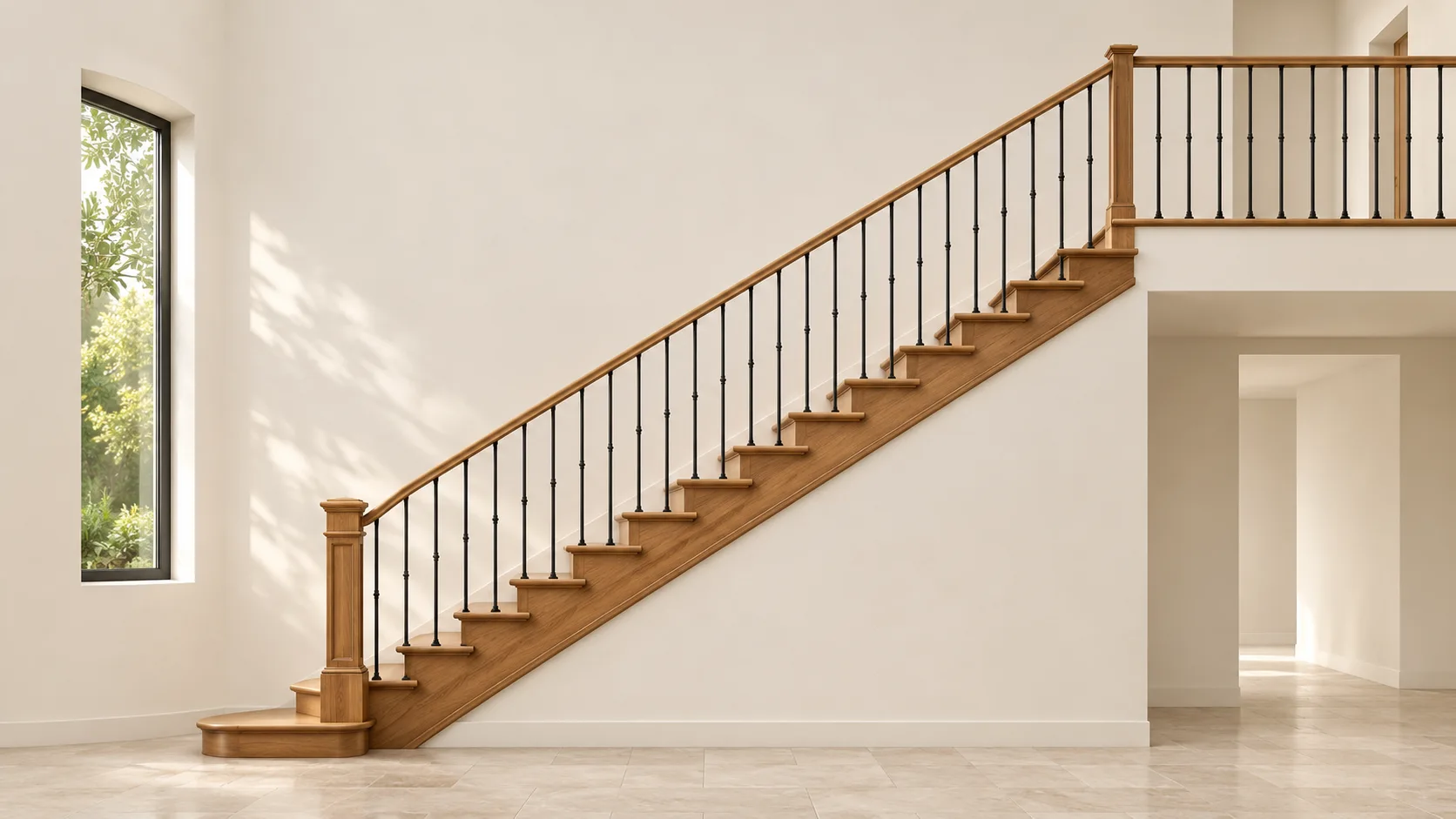
Compare the stair's main form with the surrounding architecture before choosing detailed profiles. The handrail, newels, tread finish and landing should support that direction rather than competing for attention.
Classic Staircase Designs
The Timeless Appeal of Traditional Staircases
Classic staircase designs exude a timeless charm that never goes out of style. They often feature ornate balusters, hand-carved details, and a warm, inviting atmosphere. These staircases are perfect for homeowners who appreciate the elegance of the past.
Wood: The Classic Staircase Material
Wood has been the go-to material for classic staircase designs for centuries. Its versatility allows for intricate detailing and customization. Whether you prefer the rich tones of mahogany or the rustic look of oak, wood adds warmth and character to your home.
Transitional Staircases
Combining Classic and Contemporary Elements
Transitional staircases offer the best of both worlds by blending classic and contemporary elements. You can enjoy the elegance of classic balusters while incorporating modern handrails and sleek finishes. This style allows for creative freedom and a unique look.
Mixing Materials: A Trendy Approach
One of the key trends in transitional staircase design is the use of mixed materials. Combining wood with metal, glass, or even stone can create a stunning visual contrast. It’s an excellent choice for homeowners looking to make a bold design statement.
Contemporary Staircase Designs
Sleek Lines and Modern Aesthetics
Contemporary staircase designs are all about clean lines, minimalism, and a modern aesthetic. These staircases often feature open risers, floating steps, and a sense of airiness. They are perfect for homes with a contemporary interior design.
Glass and Metal: Embracing Minimalism
Glass and metal are two of the primary materials used in contemporary staircase designs. Glass railings create an illusion of space, while metal handrails add an industrial touch. The combination of these materials results in a sleek and sophisticated look.
Common questions
- 1. What are the key features of a classic staircase?
Classic staircases often feature ornate balusters, intricate handrails, and a warm, inviting atmosphere. They embrace traditional design elements and materials such as wood.
- 2. How can I blend classic and contemporary elements in my staircase design?
Consider a transitional staircase that combines classic balusters with modern handrails and finishes. Mixing materials like wood and metal can also achieve this blend.
- 3. Are there eco-friendly options for staircase materials?
Compare sourcing information, repairability and suitability for the actual role. Reclaimed timber and recycled-content products still need an appropriate specification; an environmental label alone does not establish structural performance.
- 4. What’s the maintenance like for contemporary staircase materials?
Glass and metal assemblies need care matched to the actual panels, fittings, coatings and exposure. Obtain the supplied instructions and address damage or movement as a repair issue. A contemporary appearance does not establish a maintenance schedule.
- 5. What should I prepare for a project inquiry?
Prepare photos, the project location and a description of the change you want to make. Include available drawings and note which parts should remain. An inquiry can establish the next discussion without booking construction work.
Conclusion
Use the building's existing lines and materials to decide which historical or contemporary details belong. Compare the stair type first, then the handrail, baluster pattern and finish, so that the result works as one composition.
Mention the existing details you want to keep and the change you want to make. Discuss a coordinated old-and-new stair scheme.